
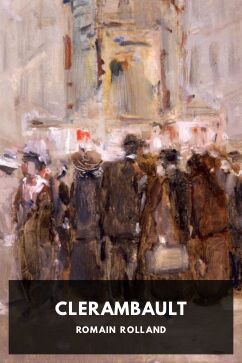
Clerambault - Romain Rolland
Let me tell you about a book that's less about battles and more about the war inside one man's head. Published in 1920, right after the cataclysm of World War I, Romain Rolland's Clerambault feels startlingly fresh. It's a novel that asks the hardest questions about patriotism, conscience, and the courage to stand alone.
The Story
We meet Clerambault, a gentle, well-liked writer living a comfortable life in Paris. When war breaks out in 1914, he's carried away by the nationalistic tide. Fired up, he writes poems glorifying the fight for France, and they make him a celebrated voice of the war effort. But the abstract idea of war becomes painfully real when his beloved son, Maxime, is drafted and sent to the trenches. As letters arrive and news filters back, Clerambault's unshakable faith starts to waver. He begins to see the human cost, the senseless slaughter. He realizes the enemy soldiers are fathers and sons too. This realization sparks a profound personal crisis. He starts to write again, but this time his words condemn the madness of the war. Overnight, the national hero becomes a traitor in the eyes of his friends, his neighbors, and his country. The story follows his painful isolation, his struggle to be heard above the patriotic din, and the immense personal price of his newfound conviction.
Why You Should Read It
This book grabbed me because it's so human. Clerambault isn't a born hero or a rebel. He's an ordinary man who made a mistake—getting swept up in a collective emotion—and then had the rare courage to admit it publicly. Rolland doesn't paint him as a saint; he's often weak, conflicted, and terrified. That's what makes him real. Reading this in today's world, where public opinion can shift like weather, it's a powerful reminder of the strength it takes to say, "I was wrong." The novel is a deep, compassionate look at how propaganda works, not through evil masterminds, but through the willing hearts of good people. It's also a heartbreaking portrait of a father's love and fear.
Final Verdict
This is a book for thinkers and feelers. Perfect for anyone interested in the psychology of war, the history of pacifism, or stories about moral courage. If you liked the internal struggles in All Quiet on the Western Front but wanted more focus on the home front's conscience, you'll find a kindred spirit here. It's not a fast-paced action thriller; it's a slow, thoughtful, and emotionally charged character study. Be prepared for a quiet novel that packs a mighty punch to the soul.
There are no legal restrictions on this material. Knowledge should be free and accessible.
Kevin Perez
8 months agoA bit long but worth it.
James Moore
1 year agoThis is one of those stories where the plot twists are genuinely surprising. I will read more from this author.
Noah Clark
1 year agoBased on the summary, I decided to read it and the character development leaves a lasting impact. I would gladly recommend this title.
Andrew Brown
10 months agoBased on the summary, I decided to read it and it creates a vivid world that you simply do not want to leave. I couldn't put it down.